Featured
Table of Contents
The reverse challenge works much the very same way, other than you start by saving $52 in week one, $51 in week two, and reduction by $1 each week. You'll have the same amount conserved by the end of the difficulty. Make Money Faster Find a high-yield savings account with today's APY.
This is a more aggressive spin on the above 52-week difficulty that might work much better for you if you earn money every other week. You'll begin by conserving $3 in week one, and then increasing the dollar amount you conserve by $3 every week. You'll conserve $6 in week 2, $9 in week three, then $12, $15 and so on.
The most you'll ever transfer in a week will be $75, and you're just making a deposit on each payday. That can make this obstacle more attainable. The no-spend saving challenge is highly adjustable, but here's the essence of it. You'll turn conserving into a game by setting tight constraints on all the spending you do, restricting yourself to just standard needs: real estate, costs and groceries.
How for Planning Your Finances in 2026
Then, pocket the money you save and direct it towards constructing long-lasting financial stability. It's naturally extremely difficult to entirely cut your discretionary costs, which includes things like meals out, shopping and entertainment. To avoid burning out, consider starting little with a no-spend weekend. If you feel inspired, you might press yourself for a week.
For this challenge, execute a round-up guideline. Keep a tally of your change throughout the day or week and then move that money over to savings, if you're using cards for payment.
It may not appear like $1 a day is a lot, however it gets you to $365 by the end of the yeara reputable sum that you might funnel into your emergency fund, use for holiday shopping or direct towards another long-term goal, such as conserving for a down payment on a home.
Think about finishing this obstacle in tandem with another obstacle to strengthen your successes. With membership services as popular as they are these days, it's most likely that you have numerous repeating monthly charges that you're paying without even considering it. Streaming services, news platforms, subscription boxes, food shipment service membershipsall these relatively little charges add up.
Proven Strategies for Save More Money During 2026
From there, aim to cancel as lots of as you can. Focus on the discretionary services you can live without. You probably can't cancel your internet service. If you have numerous streaming services, at least a couple can likely go without having much effect on your life. From there, tally up your regular monthly savings.
Steps to Federal Housing CounselingHave you considered that carrying out minimalist practices could benefit your finances, however aren't sure if you can completely hack the minimalist way of life? Then try going minimalist for a weekor even a monthwith a money minimalism obstacle. The key to the obstacle is living just, reducing your costs to just purchase what you require or truly love.
That may mean cooking more in the house or going to a free show instead of spending for home entertainment. It could also indicate finding things you do require, such as clothes or bakeware, previously owned or through a Buy Absolutely nothing group. Cash errors take place. But what if each time you made an impulse purchase, went off budget plan or otherwise made a money move you swore you would not, you put a dollar in the money error container? The obstacle is basic.
If, in a moment of impulse, you did some online shopping that wasn't allocated, toss a dollar in the jar. A dollar occasionally will not offset the damage that regularly going off budget plan can do to your savings account, however it could help you strengthen great money routines and conserve a bit while doing so.
Perfecting Your Future Financial Plan
This money difficulty has you slash your dining out budget totally and after that put the cash you would've spent into savings. Consider beginning your obstacle little with a weekend or week. Throughout that time, commit to not eating out at all. Attempt these tips to set yourself up for success: Set this challenge with a kitchen challenge, in which you challenge yourself to eat through whatever in your pantry.
Stock up your refrigerator with the materials you need. Consider prepping your meals in advance and reheating to withstand the temptation to purchase in. Last, transfer whatever money you generally invest in dining in a week into a savings account. Unsure how much you typically spend dining out every week? Take this opportunity to review your costs and tally up just how much approaches eating in restaurants.
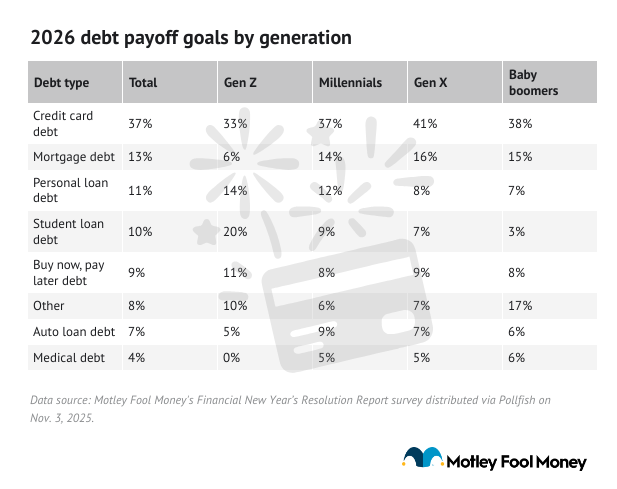
Because case, try zeroing in on another typical habit: grabbing a morning cup of coffee at a coffee shop. It's a small routine, however it can accumulate. The average cup of coffee may cost $3.37 and a latte might average around $5.60, according to information from Toast. If you grab a drink out 5 days a week, that adds up to about $876 per year for a cup of coffee or $1,456 per year if a latte is your beverage of option.
That comes out to about 37 cents a cup. Compared to getting your early morning coffee on the go, that's a quite great deal.
Whichever obstacle you tryor if you select to combine obstacles to up your savings even moreknow where to stash your funds. Beyond completing an obstacle, think about other financial relocations you might make to build your cost savings up this year.
How Nonprofit Financial Counseling Helps in 2026
Please contact our support group for additional support. * If you're the owner of this site and have concerns, reach out to Bluehost. We're happy to help.
New Year's resolutions come in numerous kinds, from physical fitness goals to performance hacks to bucket-list goals. Don't forget about your finances, either. When it pertains to your financial health, a new year is the perfect time to examine where you've been and where you're wishing to pass taking concrete steps and finishing mini-goals along the way.
Steps to Federal Housing Counseling"Think about it as buying your own future. The quantity of time you put into planning will pay dividends in the long run." Here are 6 valuable pointers for setting yourself up for financial success in 2026 and beyond. Ignorance isn't bliss, particularly when it comes to your credit report.

Latest Posts
Smart Pathways for Credit Improvement in 2026
Comparing High-Yield Savings Options for 2026
How to Planning Your Finances for 2026